
It’s no secret that generative AI is improving at an alarming rate.
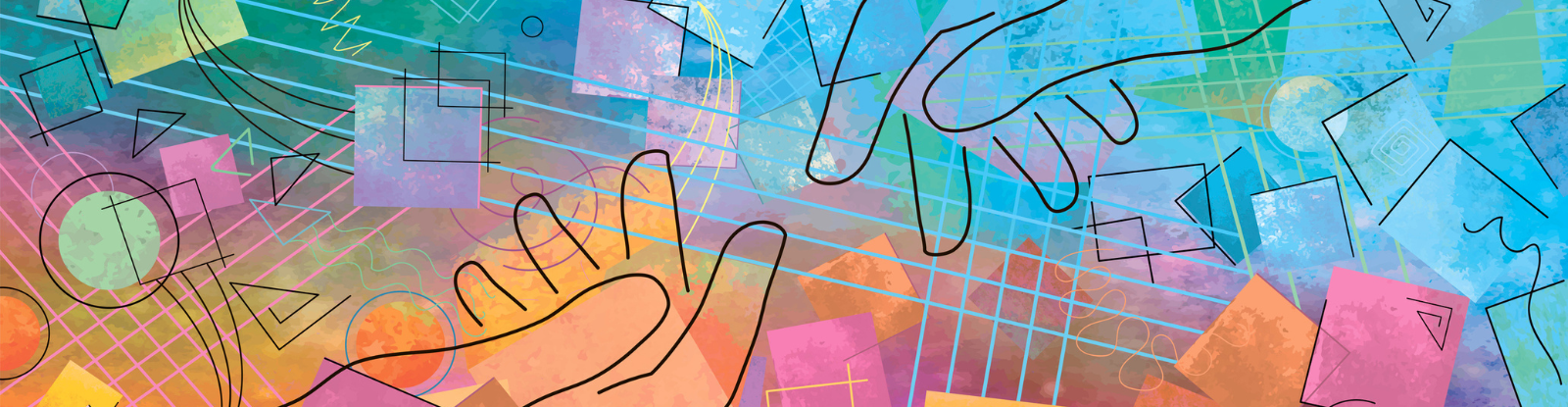
In 2024, the easiest way to tell if a portrait was created with artificial intelligence was to look at the subject’s hands. If they looked wrong — too many fingers or bending unnaturally — you could be certain the image was a fake. Today, generative AI can recreate hands photorealistically in seconds. Compare this to the tens of thousands of years it took humans to progress from the crude hands of primitive cave drawings to Albrecht Dürer’s “Study of the Hands of an Apostle” in pen-and-ink from around 1508 A.D. and it looks like the robots are winning.
When I was first starting out in 1994, digital photography was in its infancy. The cameras were expensive and the quality of the photos was unimpressive. I remember a conversation with a printing expert who said digital cameras would never take off because there was no way they could capture what film does. Meanwhile, other design people were telling me that film would become obsolete, and the photographic arts would be elevated so that everyone could take professional quality photos.
The reality, of course, is that yes, everyone on earth can take as many pictures as they want. But the art itself hasn’t improved at all. The best photos still come from the best photographers with rare exception. And the 150,000 photos I’ve taken in the last 30 years are pretty mediocre.
As a marketer or business manager, chances are you’ve considered using generative AI (artificial intelligence that creates new, original content by learning patterns from massive datasets) to handle the ideation, copywriting and design of your marketing and advertising efforts. With a growing number of options to choose from, there are AI solutions for strategy, concepting, imagery, layout, video and music creation, and even voiceovers. So, why not “Hire AI” to develop and execute your next advertising campaign?
The Creative Team at AccessU gets it. It’s a brave new world, and AI can seem like the perfect high-tech solution to time and cost crunches. But we’d like to urge caution. “Impactful marketing and storytelling hinges on making tangible, visceral human connections with an audience through unique storytelling,” says Riley Murtagh, Director of Video Production. “The effectiveness of marketing depends on how the work feels. AI can’t ‘feel out’ whether a piece of collateral or content makes a strong impression or emotional resonance with a human audience.”
“To be creative is distinctly human,” adds Olivia McKinney, Creative Director and Illustrator. “Art is one of the major ways we as humans connect to one another emotionally. Art without humanity is meaningless. AI operates only in datasets and algorithms and will never be able to share original, imaginative ideas.”
“AI is a great research tool and can be quite helpful for generating ideas,” says Randy Belcher, Senior VP of Creative Services. “But my biggest fear is plagiarism.” Because AI is trained on enormous datasets of information and intellectual property, there’s no guarantee the ad copy or images it “creates” don’t legally belong to another company. For instance, a general rule says that copying as few as five to seven words consecutively from another source could constitute plagiarism, according to the American Psychological Association style guide.
But what does AI think about using AI to create advertising? I asked ChatGPT if a business or corporation should use AI exclusively to create their advertising? “Short answer: no. Using ai exclusively for advertising is risky and usually suboptimal.”
ChatGPT agreed that generative AI struggles with original brand voice, cultural nuance, and emotional truth — all key components of effective marketing. AI falls into familiar patterns and that makes standing out impossible. Without your human judgment, AI increases legal, ethical, and reputational risks. And most crucially, AI cannot truly understand strategy, emotional connectivity, business context, or long-term brand equity.
The best practice, according to ChatGPT, is to use AI as a force multiplier. “Human-led strategy and creative direction, with AI accelerating execution, testing, and scale, consistently produces stronger, safer, and more distinctive advertising.”
As its prevalence, value, and use in day-to-day business continues to grow, the team at Accessu has adopted an official AI Policy which, in part, says: “We use Artificial Intelligence tools to enhance creativity, streamline workflows, and support idea generation. AI is not a replacement for strategic or critical thinking. We recognize both the opportunities and risks of AI, and commit to using it responsibly, legally, transparently, and with human oversight to protect our agency and clients.”
The AccessU Creative Team has extensive experience and training in the creative tools generative AI offers. As a collaborative tool, we’re finding it useful for streamlining repetitive processes like ad and art resizing, early-stage concept generation and copy development, and organization of tactics for pitches, campaigns, actualizations, and more.
But we also know that AI cannot tell your story the way we can. That’s a privilege we hold close and try to honor every day with each new idea. If you’d like to know more about our AI Policy, we’d love to hear from you.