
More inquiries. More applications. More digital tools competing for students’ attention. Yet for many colleges and universities, turning that activity into enrollment remains a stubborn challenge. Doing more isn’t necessarily the same as getting better results. The real challenge is making every part of the enrollment journey work harder—and work together.
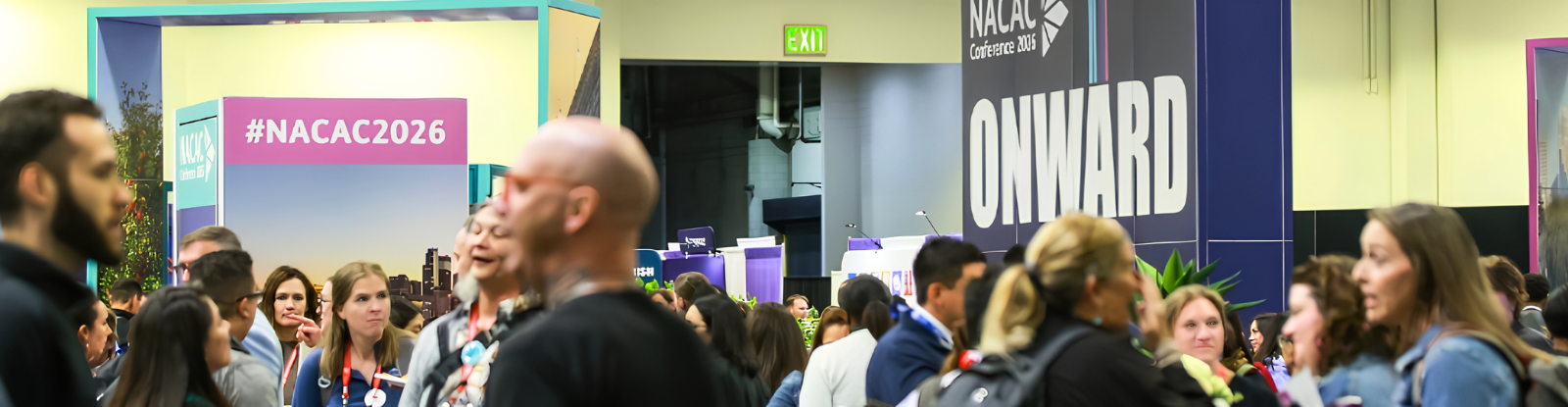
Another NACAC is officially in the books, and what a joy it was. Minneapolis welcomed nearly 6,000 admissions and counseling professionals for a few days that were as inspiring as they were energizing.
This year marked AccessU’s first time exhibiting in the Expo Hall, and we couldn’t have asked for a warmer welcome. We loved reconnecting with longtime friends and meeting new colleagues. Amid conversations about AI, institutional value, and recruitment strategy, five themes stood out.
1. The Enrollment Funnel Is Changing Before Students Reach Your Website
AI-powered search, new discovery tools, and ever-longer college lists are reshaping how students find colleges. NACAC sessions such as Student Recruitment in the AI Era: An Action Plan for Enrollment Leaders explored this changing landscape.
But more visibility and inquiries don’t automatically mean more enrollment. Institutions must attract students who are a good fit and convert their interest into applications and deposits.
At AccessU, we use research, focus groups, and segmentation to identify best-fit audiences, then reach them through platforms ranging from paid search to YouTube and Snapchat. Our clients typically see enrollment increases of 7% to 16% in their first year partnering with us, and continued growth in subsequent years.
What to do next: Audit your recruitment funnel. Identify which channels attract your best-fit prospects, where students disengage, and which investments generate meaningful enrollment results.
2. Demonstrating Value Is More Important Than Ever
As families scrutinize college costs, it’s no longer enough to say an institution is different. Students need to understand why that difference matters. Career outcomes, hands-on learning, faculty access, and affordability resonate when they address students’ priorities.
NACAC’s discussions of higher education’s value and institutional image reinforced the importance of a clear, credible story.
We begin projects by exploring an institution’s mission, culture, values, and community. Our G3 campaign for Virginia’s Community Colleges put that approach into practice across 23 colleges in under six months. Its case study reports an 18% increase in respondents seeing their local college as an asset.
What to do next: Ask students and recent graduates why they chose your institution. Compare their answers with your website and recruitment messaging, then close the gaps with authentic student stories, outcomes, and evidence of your distinctive strengths.
3. Enrollment Challenges Require Connected Solutions
When enrollment targets become harder to reach, the instinct is often to do more: increase advertising, pursue new markets, or launch another initiative. But the problem may lie in how existing efforts work together.
Does your website deliver on your marketing’s promises? Does your brand reflect the student experience? Are campaigns aligned with institutional strengths?
Ferrum College faced years of enrollment challenges and uncertainty about its future. Rather than tackle individual problems in isolation, AccessU helped coordinate a new identity, website, and omnichannel media plan. The website launched in under 60 days, and a year later Ferrum welcomed its largest incoming class in seven years.
What to do next: Bring enrollment, marketing, communications, and digital teams together to map the student journey. Identify the biggest disconnects between your campaigns, website, and recruitment experience before investing in another standalone initiative.
4. AI Offers Opportunities Beyond Student Discovery
NACAC’s AI-focused programming also explored authenticity, integrity, and practical applications across admissions. Beyond helping students discover colleges, AI could help enrollment teams streamline workflows, personalize communications, and analyze data.
The key is solving real problems rather than adopting technology simply because it’s new. Efficiency matters, but so do accuracy, privacy, and human relationships.
What to do next: Identify three repetitive tasks that consume staff time. Pilot AI on one, establish safeguards for accuracy and privacy, and measure whether it saves time or improves results before expanding its use.
5. Marketing Success Must Translate Into Enrollment Results
Impressions, clicks, website visits, and inquiries matter—but they can paint a misleading picture. A campaign generating hundreds of inquiries may appear successful until few prospects apply.
Institutions need to connect marketing performance with applications, deposits, and enrollment to understand what’s working and where to invest. At AccessU, we pair creative and digital work with ongoing analytics, regular reporting, and personalized 24/7 dashboards.
What to do next: Track metrics across the enrollment funnel, including cost per inquiry, inquiry-to-application rates, and deposit-to-enrollment conversion. Review results by market, audience, and channel, then investigate underperformance before shifting budgets.
Looking Ahead
NACAC 2026 reinforced that enrollment challenges rarely have a single cause—or a single solution. More inquiries won’t fix unclear positioning, a new website won’t compensate for a weak value proposition, and new technology won’t deliver results without a strategy behind it.
The institutions best positioned to adapt will connect the dots: understanding their audiences, articulating their value, delivering a consistent digital experience, and measuring what moves students forward.
That’s the perspective we bring at AccessU. From research and brand to websites, enrollment marketing, and PR, our goal isn’t more activity, but more meaningful activity—with tenacity, care, and beauty.
We left Minneapolis energized by the conversations and our shared commitment to helping students find the right path. If these challenges sound familiar on your campus, we’d love to talk about turning fresh ideas into measurable progress.